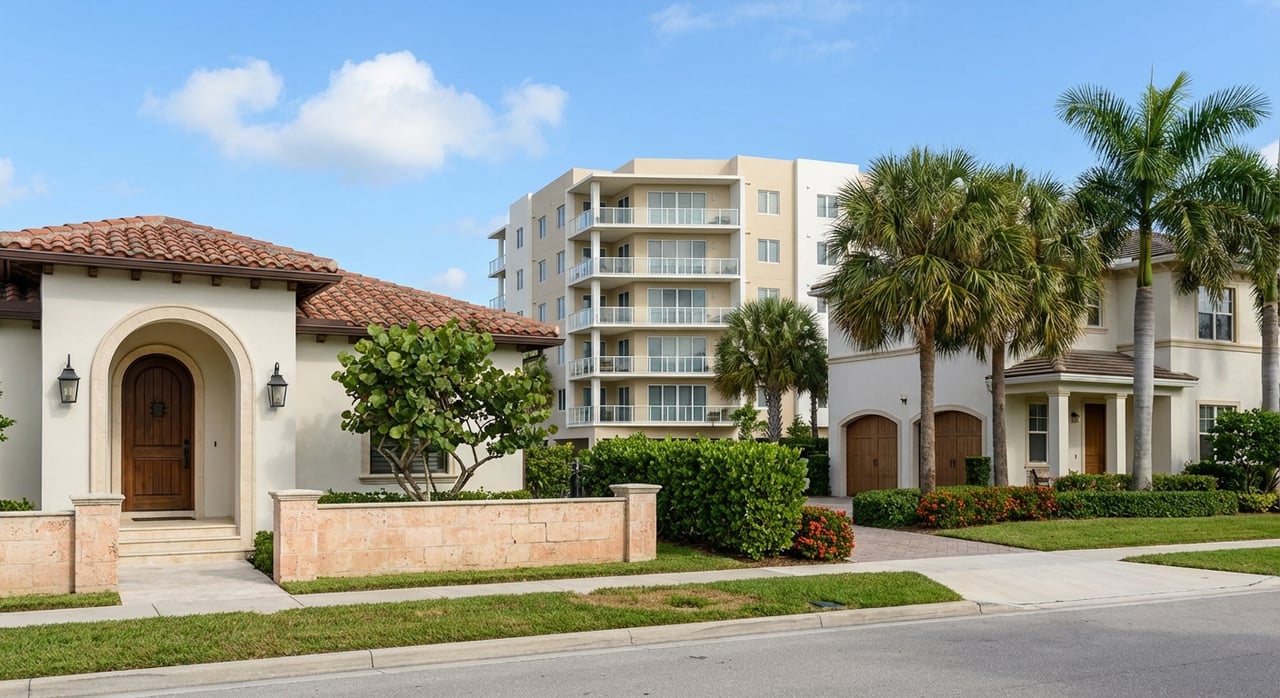
Not sure whether a condo, villa, or single‑family home fits your Sarasota lifestyle and budget? You are not alone. Each option offers a different mix of upkeep, privacy, amenities, financing, and insurance. In this guide, you’ll learn the practical differences, where each type is common in Sarasota, and how to weigh costs and risks so you can buy with confidence. Let’s dive in.
Sarasota market at a glance
Recent data helps frame your choice. According to the REALTOR Association of Sarasota & Manatee’s year‑end 2025 report, the single‑family median sale price was roughly $474,700 while the condo/townhouse median was about $325,000. That signals stronger relative demand for single‑family homes and a softer median for condos at that time (RASM year‑end 2025).
Local demographics also shape demand. Sarasota County has a large 65+ population and a high owner‑occupancy rate, which often supports interest in lower‑maintenance living for part‑time or retirement use (Census QuickFacts).
Monthly fees matter, too. National research shows HOA and condo fees have been rising, and special assessments can affect carrying costs in coastal markets (Realtor.com HOA analysis). As you compare condos, villas, and detached homes, factor in both the mortgage and the monthly dues or maintenance you will personally handle.
What condo, villa, and home mean in Florida
Condominium ownership
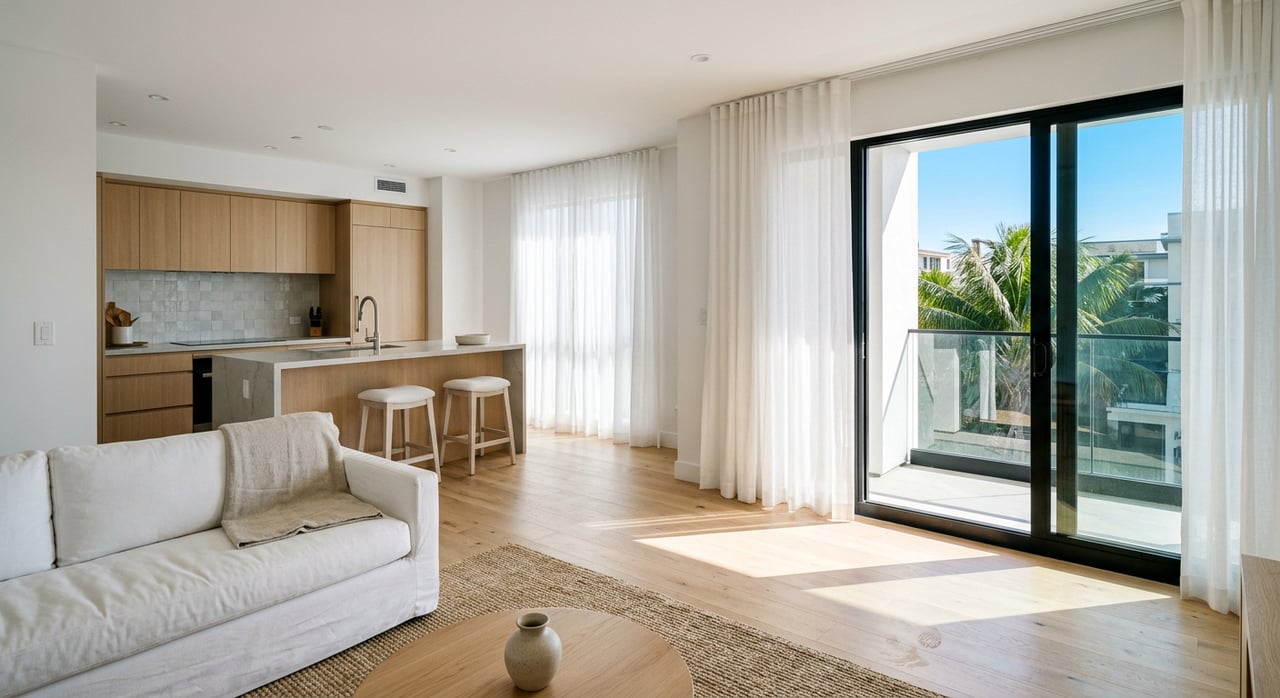
With a condo, you own the interior of your unit. The land, structure, and shared spaces are common elements owned collectively by the unit owners. A condominium association manages those common elements, collects dues, and maintains required records. Florida’s Condominium Act (Chapter 718) governs budgets, insurance, records access, and disclosures to buyers. You will typically carry an HO‑6 policy for your unit’s interior and personal property, while the association insures the common elements (Florida Condominium Act, Chapter 718).
Villa (how Sarasota uses the term)
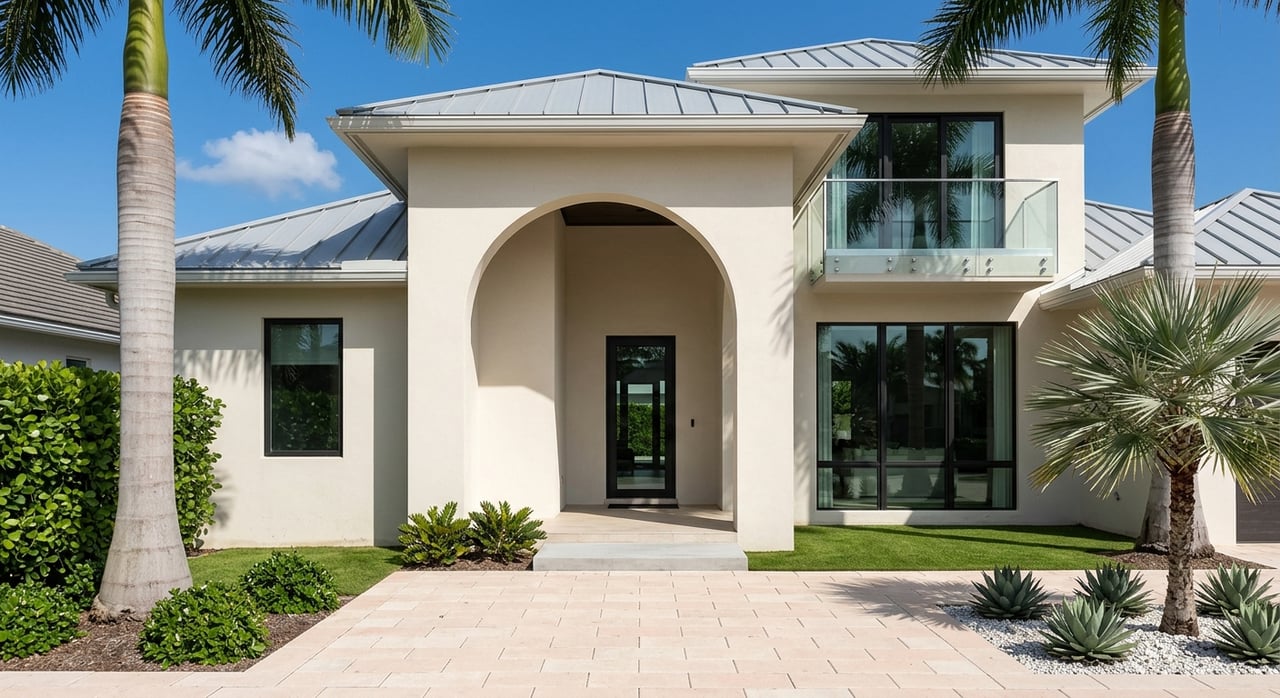
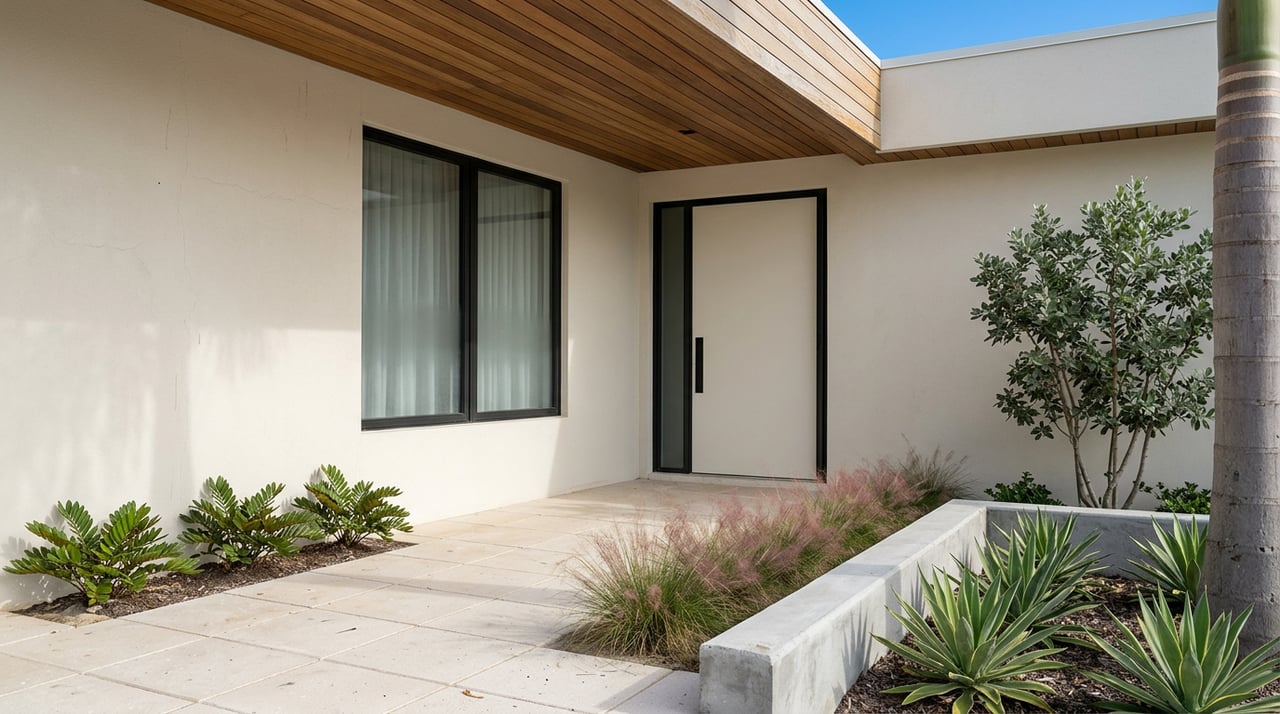
In Sarasota, “villa” is a marketing term rather than a separate legal category. Villas can be detached or attached and are commonly found inside an HOA. Some are legally fee‑simple single‑family homes governed by Florida’s HOA statute, while others are part of condo or townhome regimes. Most villas offer lower‑maintenance living, but the exact split of owner vs. association responsibilities depends on the recorded documents. Always review the declaration and bylaws to confirm what the HOA covers (Florida HOAs, Chapter 720).
Single‑family home
A detached single‑family home is typically fee‑simple ownership of the structure and lot. You are responsible for your roof, exterior, yard, and systems unless an HOA assumes specific duties. If there is an HOA, Florida’s Chapter 720 sets governance rules and what records must be available to owners and buyers (Chapter 720).
Maintenance and monthly costs
Who maintains what
- Condo: The association usually maintains the exterior, roof, common systems, amenities, and grounds. You maintain your interior and improvements. Association dues fund these services and reserves (Chapter 718).
- Villa in an HOA: Many Sarasota villas are single‑family lots with shared exterior or landscape services. The HOA typically handles common‑area landscaping and amenities; roof and exterior responsibility varies by community documents (Chapter 720).
- Single‑family outside an HOA: You handle nearly all upkeep directly. You may have lower recurring dues, but more time and expense for maintenance.
Dues, reserves, and special assessments
Dues vary by building age, amenities, coastal exposure, and insurance. Barrier‑island high‑rises often carry higher dues than inland villas or suburban HOAs. Associations should keep reserve funds for future repairs. If reserves fall short, owners can face special assessments to cover capital projects. Nationally, HOA dues have trended upward, so build a realistic monthly budget that includes association costs and potential assessments (Realtor.com HOA analysis).
What documents to request
Florida law requires associations to maintain official records and provide certain disclosures. Before you buy, request and review:
- Current budget and year‑to‑date financials
- Most recent reserve study and reserve schedules
- Insurance declarations for the master policy
- Recorded declaration, bylaws, rules, and any amendments
- Minutes for the past 12–24 months
- Litigation disclosures and a report of assessment delinquencies
These items help you gauge fee stability and upcoming projects (Florida Condominium Act, Chapter 718; Florida HOAs, Chapter 720).
Financing and risk factors to weigh
Condo project eligibility and lending
Condo financing often depends on the project’s status with secondary market buyers. Lenders check factors like owner‑occupancy, reserves, delinquencies, commercial space, and litigation. Tools such as Fannie Mae’s Condo Project Manager help lenders evaluate eligibility, which affects your loan options and interest rates (Fannie Mae CPM). If a project fails a full or limited review, conventional or government financing may be limited. Your lender can explain the review standards and what documentation is required (Fannie Mae Selling Guide, project reviews).
Insurance layers and hurricane exposure
Associations buy a master policy for common elements. You buy an HO‑6 for interior coverage, improvements, and personal property. Understand whether the master policy is bare walls, walls‑in, or all‑in so you know your HO‑6 obligations. Florida law also requires certain minimum loss‑assessment coverage on unit‑owner policies. Coastal properties often have higher wind or hurricane deductibles, which affect premiums and risk (Florida Statutes §627.714).
Flood zones and wind risk
Sarasota relies on FEMA Flood Insurance Rate Maps. If a property lies in a Special Flood Hazard Area, a lender may require flood insurance, and premiums can be significant. Always check the property’s FEMA map status and consider requesting an elevation certificate to price insurance accurately. The city provides local flood‑map information, and FEMA’s Map Service Center gives parcel‑level data (City of Sarasota flood map info; FEMA Map Service Center).
Safety and milestone inspections in taller condos
Florida requires structural milestone inspections for condominium and cooperative buildings that are three habitable stories or more once they reach 30 years of age, then every 10 years after that. Coastal jurisdictions can require the first milestone at 25 years. If Phase 1 identifies substantial structural deterioration, a Phase 2 inspection and repairs may follow, often with assessment impacts. Ask whether the building has completed required milestones and whether any Phase 2 work or permits are pending (Florida Statutes §553.899).
Lifestyle fit: quick match guide
- Low‑maintenance, lock‑and‑leave: Consider condos or villas with exterior and landscape care handled by the association.
- Maximum privacy and a yard: Consider single‑family homes, understanding you will handle most exterior maintenance.
- Walkability and culture: Downtown Sarasota condos place you near dining, the bayfront, and cultural venues like The Ringling. Expect higher amenity fees in many towers.
- Beach proximity: Barrier islands such as Siesta Key, Lido Key, and Longboat Key offer many condos and some villas, with strong seasonal demand and higher insurance exposure in certain buildings.
- Rental flexibility: Short‑term rental rules vary by jurisdiction and HOA. In the City of Sarasota, certain areas allow vacation rentals with a 7‑day minimum and require registration and certification. Rules differ in Sarasota County and in many HOAs, so verify both local codes and community restrictions before you buy (City of Sarasota vacation rentals).
Where you will find each option in Sarasota
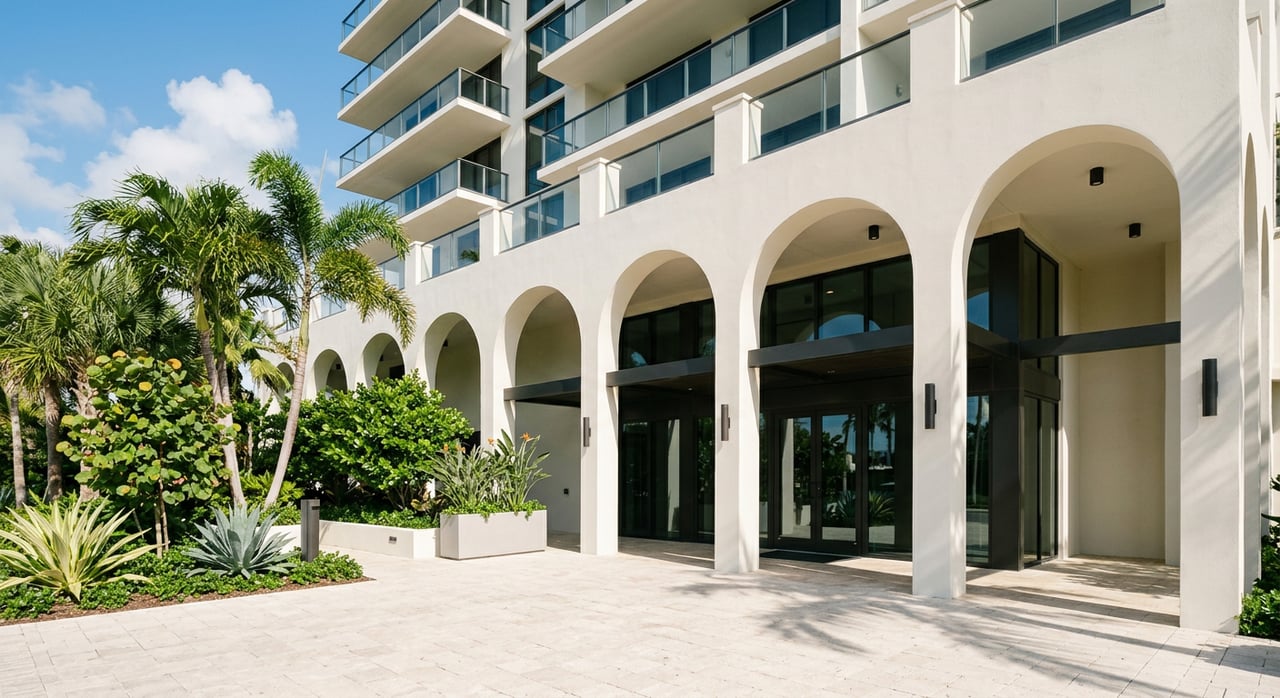
- Downtown/Bayfront: Predominantly mid‑ and high‑rise condos with walkable amenities, bay views, and access to arts and culture. Units may be smaller on average and fees higher due to staffing and amenities.
- Barrier islands: Concentrations of condos and beachfront complexes appeal to seasonal use and second‑home buyers. Insurance and wind exposure can be higher for some properties.
- Palmer Ranch, Lakewood Ranch, and southern mainland areas: A mix of villas, townhomes, and single‑family homes inside master‑planned communities and HOAs. You will often find community amenities with varied fee structures and lot sizes.
Your decision checklist
Use this due‑diligence list to compare condos, villas, and single‑family homes:
- Association and governance: Obtain the declaration, bylaws, current budget, reserve study, year‑to‑date financials, insurance declarations, and meeting minutes for the past 12–24 months. Ask about any history of special assessments or pending litigation (Chapter 718; Chapter 720).
- Building safety and inspections: For buildings three stories or more, confirm whether milestone inspections were completed, and whether any Phase 2 work or permits are active or planned (§553.899).
- Insurance and deductibles: Review the master policy type, your expected HO‑6 scope, loss‑assessment limits, and hurricane deductibles. Ask how deductibles are allocated to unit owners (§627.714).
- Financing and marketability: Verify whether the condo or attached project can pass lender project reviews. Ask your lender about Fannie Mae CPM status and any factors that could limit conventional or FHA/VA financing (Fannie Mae CPM; Selling Guide).
- Flood and elevation: Check FEMA flood‑map status, obtain an elevation certificate if needed, and estimate flood insurance based on the specific unit or lot. Ask whether the association carries flood coverage on common elements (City flood map info; FEMA MSC).
- Short‑term rentals: Confirm City of Sarasota or Sarasota County rules and the community’s rental restrictions, including minimum lease terms and approval processes (City vacation rentals).
Next steps
- Clarify your top priorities: lock‑and‑leave convenience, private yard, walkability, or rental flexibility. 2) Set a total monthly budget that includes mortgage, insurance, dues, and a cushion for assessments or maintenance. 3) If you are considering a condo or attached villa, loop in your lender early to confirm project eligibility. 4) Review association documents before you make an offer, not after. 5) Compare at least two viable communities side by side and, if possible, visit at different times of day to assess activity and noise.
When you are ready to narrow your options, work with a local advisor who knows both the product types and the micro‑markets. For personal guidance, curated listings, and a clear plan from first tour to closing, connect with Robert Krasow.
FAQs
What is the difference between a Sarasota condo and a villa?
- A condo is a unit you own inside a building with common elements managed by a condo association; a villa is a marketing term that can be a fee‑simple home in an HOA or part of a condo/townhome regime, so always check the governing documents.
How do HOA or condo fees affect my Sarasota home budget?
- Dues fund maintenance, insurance, reserves, and amenities; they vary widely by building age, location, and services, and can rise or include special assessments, so review the budget and reserve study before you buy.
What should I know about financing a Sarasota condo purchase?
- Lenders review the project’s financial and occupancy health using standards from buyers like Fannie Mae; projects with weak reserves, litigation, or high delinquencies may limit conventional or government loan options.
What is Florida’s condo milestone inspection and why does it matter?
- Buildings three stories or more undergo structural milestone inspections at 30 years and every 10 years after; identified issues can lead to repairs and potential assessments, so ask about compliance and any Phase 2 work.
How do flood zones and hurricane deductibles impact costs?
- Properties in FEMA Special Flood Hazard Areas may require flood insurance for a loan, and coastal buildings can have higher wind deductibles, so check the FEMA map, request elevation data, and review the association’s master policy.
Are short‑term rentals allowed in Sarasota condos and homes?
- The City of Sarasota allows vacation rentals in certain zones with a 7‑day minimum and registration, while rules differ in Sarasota County and many HOAs, so confirm local code and community restrictions early.