Thinking about moving to Sarasota? The biggest mistake you can make is treating it like one single market. Sarasota is better understood as a collection of neighborhood types, each with a different feel, housing mix, commute pattern, and monthly cost. If you want to build a smart shortlist before you tour, you need a clear way to compare your options. Let’s dive in.
Why Sarasota Needs a Shortlist
Sarasota is a relatively compact city, with an estimated 57,764 residents and a mean commute time of 20.7 minutes, according to the U.S. Census QuickFacts for Sarasota city. Even so, your day-to-day experience can vary quite a bit depending on where you live.
The city officially recognizes more than 50 neighborhoods, and the City of Sarasota neighborhood map makes it clear that Sarasota works best as a set of fit-based micro-markets, not a one-size-fits-all search. That is especially helpful if you are relocating and trying to narrow down options quickly.
Start With Four Filters
If you want your Sarasota neighborhood shortlist to be useful, build it around four practical filters: commute, housing form, amenity fit, and budget. These filters help you compare areas based on how you will actually live, not just what looks good online.
Filter 1: Commute and Mobility
Start with the trip you will repeat most often. That might be a drive to work, a route to the airport, or regular access to downtown, the beach, or everyday services.
Sarasota County’s Breeze transit system includes fixed routes, trolleys, and paratransit. Breeze buses offer wireless internet, bike racks, and wheelchair ramps, which can matter if you want to reduce car dependence or simply have more transportation options.
Some routes are especially useful for relocators. The county’s specialty Breeze routes include Route 76 between SRQ and downtown hotels, Route 77 between downtown Sarasota and Siesta Key destinations, and Route 78 between downtown Sarasota, St. Armands Circle, Lido Beach, and Ted Sperling Park.
That means some downtown and island areas may be easier to live in without relying on your car for every trip. If walkability and mobility matter to you, those transit links should be part of your comparison.
Filter 2: Housing Form
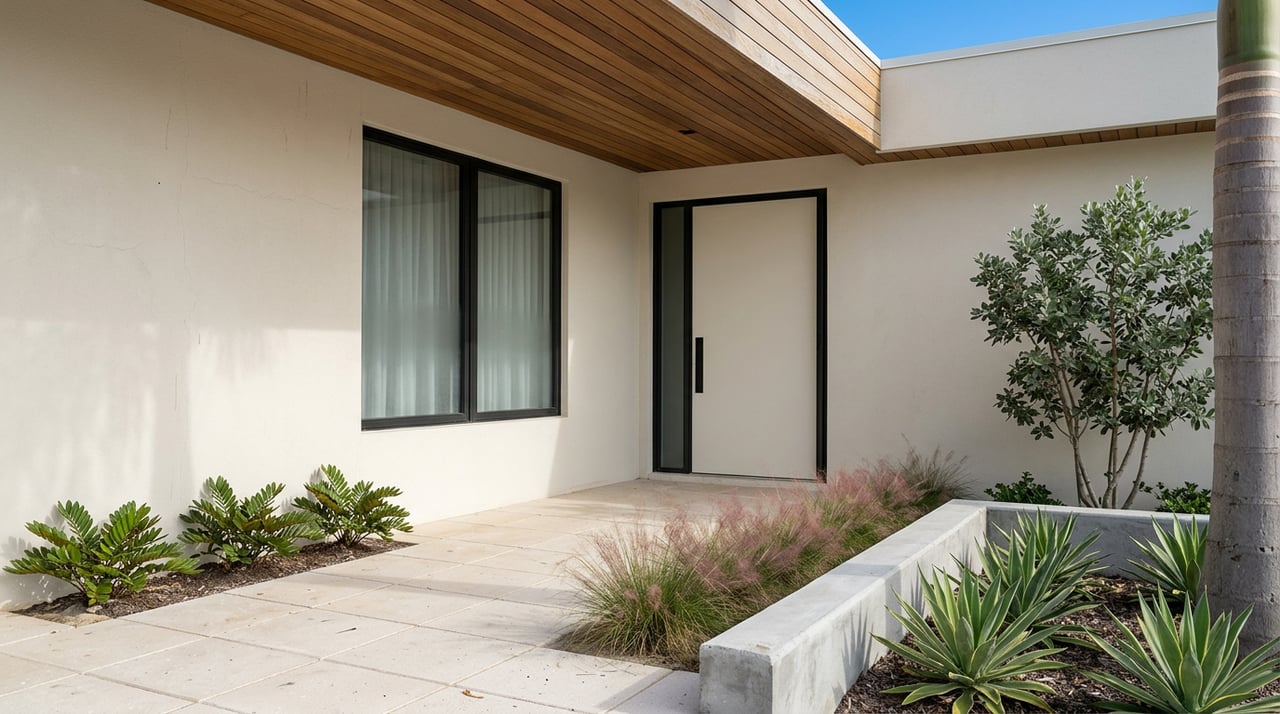
Not every Sarasota area offers the same mix of homes. Some parts of the city lean more toward condos and townhomes, while others are better for buyers looking for traditional single-family streets or mixed-use, more walkable living.
The city’s planning framework is helpful here. In Sarasota’s future land use materials, Urban Neighborhood areas are described as compact, pedestrian-friendly, and primarily residential, while Downtown Bayfront is fully mixed-use and Urban Mixed-Use areas are intended to combine housing and workplaces in close proximity.
The same planning materials also identify Rosemary, Gillespie Park, and Park East as part of the downtown study area. If you are deciding between a downtown condo, a townhouse near urban amenities, or a single-family home in a more conventional setting, this framework gives you a more practical way to sort neighborhoods.
Filter 3: Amenity Fit
A neighborhood can look great on paper and still not match the way you want to live. That is why your shortlist should also reflect your preferred routine.
If you want waterfront access, downtown energy, and public events nearby, The Bay Park is one of Sarasota’s standout amenities. It is a 53-acre waterfront park on Sarasota Bay with trails, kayaking access, and free public programming.
If beach access is a bigger priority, Sarasota County promotes 35+ miles of coastline, and the free trolley connections to Siesta Key, Lido Beach, and St. Armands make it easier to test those areas during a relocation visit. That can help you compare whether you prefer a downtown-and-bayfront lifestyle or a more beach-oriented daily rhythm.
Filter 4: Budget and Monthly Cost
Price matters, but monthly cost matters more. When you relocate, your best shortlist usually comes from matching your payment comfort level to the type of home and area you want.
According to the U.S. Census QuickFacts housing data for Sarasota city, the city has a median owner-occupied home value of $463,000, median monthly owner cost with a mortgage of $1,927, and median gross rent of $1,684. Sarasota County shows a median owner-occupied value of $411,800 and median gross rent of $1,818 in the same dataset.
Those numbers also align with the broader product mix in the area. The research report notes that Sarasota County’s February 2026 RASM figures put the median sale price at $475,000 for single-family homes and $320,500 for condos and townhomes. In practical terms, that means your shortlist should be based on both property type and monthly payment, not just a target list price.
Sarasota Neighborhood Patterns to Compare
Once you use those four filters, most Sarasota neighborhood searches begin to fall into a few broad patterns. These are not rankings. They are categories that can help you narrow your options faster.
Downtown and Bayfront Areas
This category is a strong fit if you want walkability, mixed-use living, waterfront access, and easy access to arts, dining, and events. The city’s planning approach and the presence of The Bay support a more pedestrian-oriented urban lifestyle in this part of Sarasota.
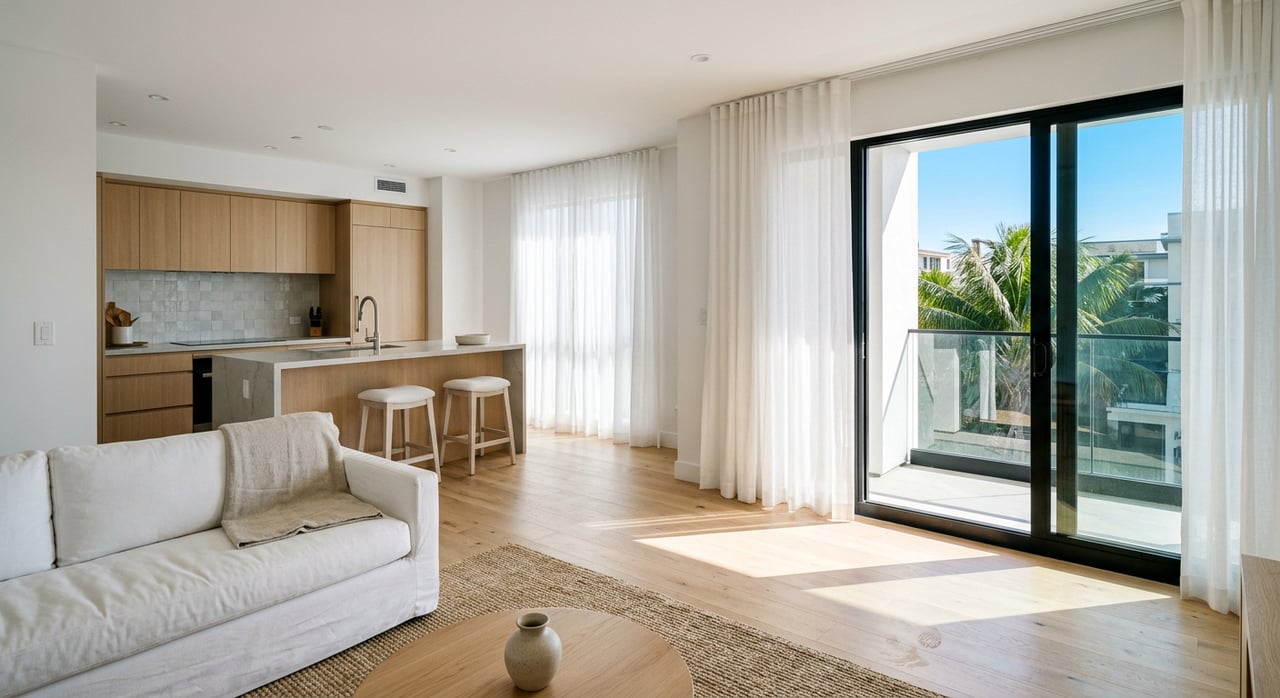
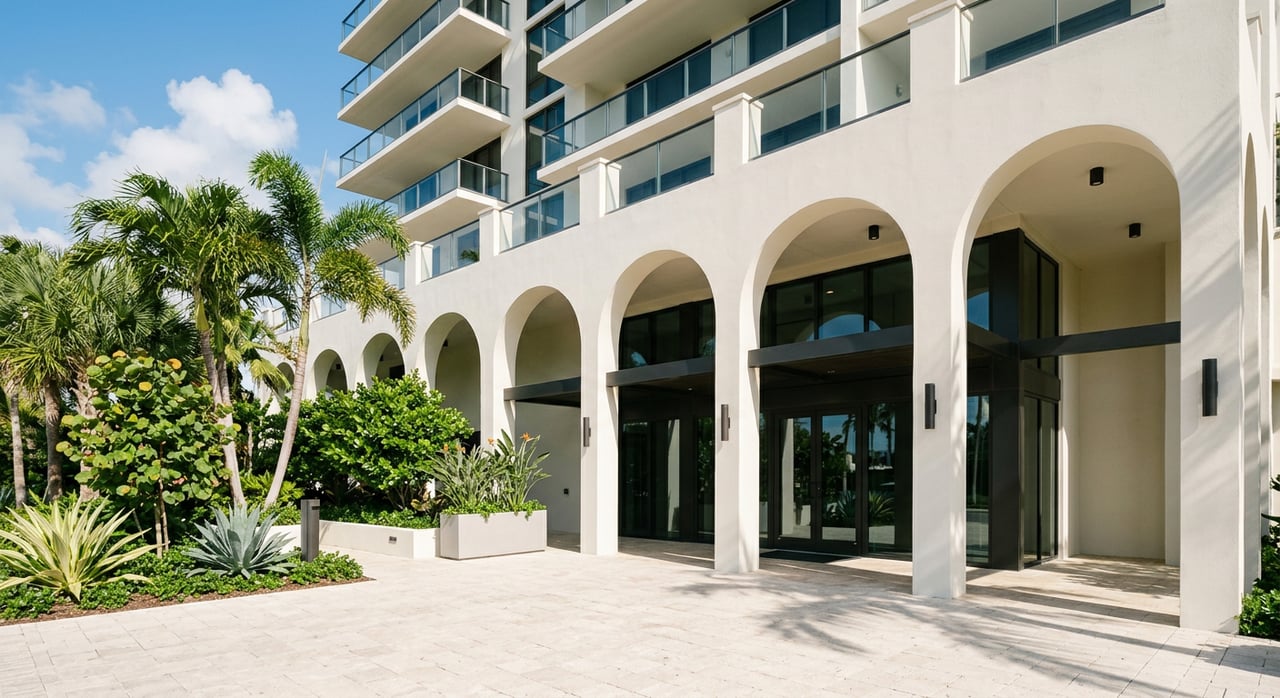
If your ideal setup includes condo living, shorter trips to downtown destinations, and easy access to bayfront amenities, this group should likely be on your shortlist. It is especially useful for buyers looking for lower-maintenance living with lifestyle convenience.
Beach and Island Areas
If your priority is beach access and a more resort-oriented daily routine, Siesta Key, Lido Beach, and St. Armands are natural areas to explore. The specialty Breeze routes make these locations easier to test during a short scouting trip.
That said, beach and island living should always be evaluated with extra care around parking, access, and storm planning. Sarasota County states that evacuation levels depend on where you live and the kind of structure you occupy, and barrier islands may close to traffic during storm events.
Urban Residential and Mixed-Use Corridors
Some buyers want a balance between neighborhood feel and everyday convenience. That is where Sarasota’s Urban Neighborhood and Urban Mixed-Use areas can be especially appealing.
These areas may offer a more traditional residential environment while still keeping you closer to services, workplaces, or commercial corridors. If you want less intensity than the downtown core but still value convenience, this category deserves a closer look.
Suburban Residential Areas
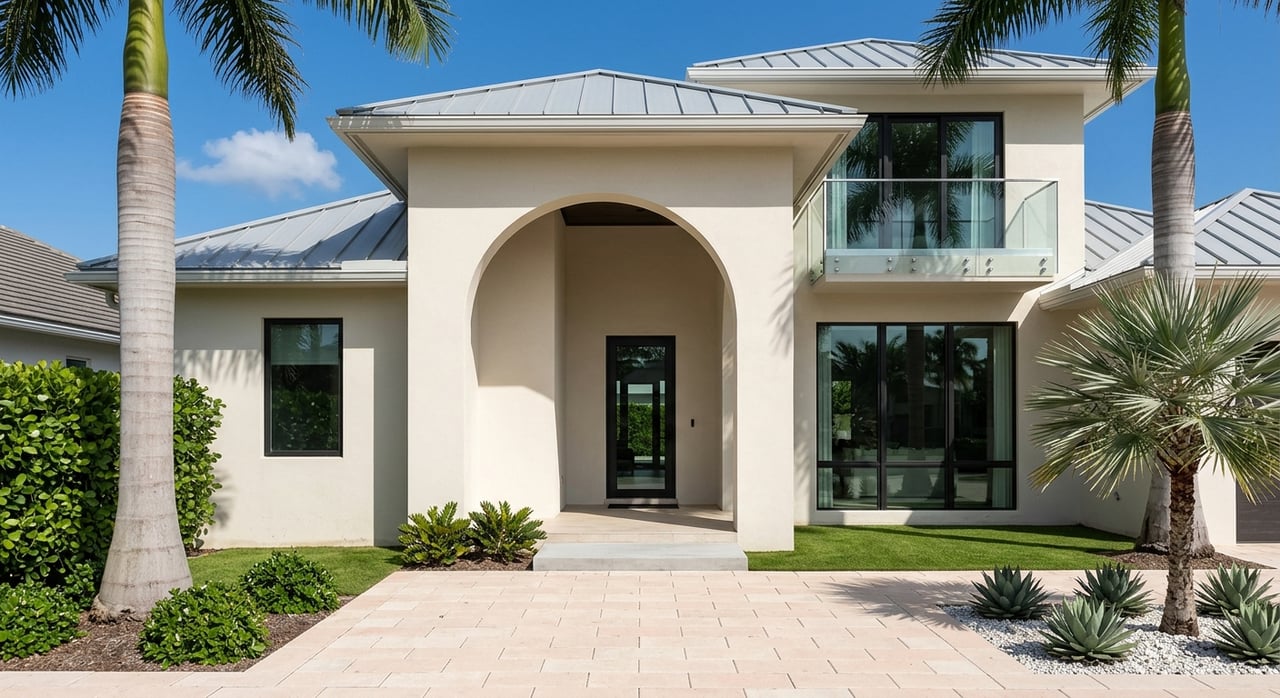
If you prefer a more conventional residential pattern, Sarasota’s planning framework also includes Suburban Residential areas. These locations may work well if you want more separation from downtown activity or if your home search is focused on a particular type of single-family property.
In these areas, driving often becomes a bigger part of daily life. That makes commute checks, parking needs, and location-specific verification even more important as you build your shortlist.
Use These Tools Before Touring
You can save a lot of time by doing a few targeted checks before you ever schedule a showing. The best neighborhood shortlists come from combining official maps, transportation info, and location-specific property questions.
Here are some of the most useful tools from the research:
- The City of Sarasota neighborhood map
- Breeze transit routes
- Breeze specialty routes for beach and downtown connections
- Sarasota County’s evacuation-level guidance
- Sarasota County Schools’ school choice and district contact page
When you use these together, you can narrow a broad Sarasota search into a more realistic list based on commute, lifestyle, housing type, and budget.
Five Questions to Ask Before You Tour
Before you commit time to in-person tours, ask these questions for every area on your list:
- What is the real door-to-door commute at the time you will actually travel?
- Is the property in a flood zone or evacuation area?
- Is your preferred housing type common in that area?
- How close are transit stops, parks, beach access points, and downtown services?
- If school assignment matters, what does the district say for that address?
For school-related planning, it is important to verify attendance and choice options directly with the district using the official Sarasota County Schools contacts. That helps you avoid assumptions and make decisions based on the latest available information.
A Smarter Way to Relocate to Sarasota
The best Sarasota neighborhood for you is the one that fits your routine, housing goals, and budget, not the one with the loudest reputation. When you build your shortlist around commute, housing form, amenity fit, and monthly cost, your search becomes much more focused and much less stressful.
If you want help narrowing your options, comparing downtown, bayfront, island, or other Sarasota-area neighborhoods, Robert Krasow offers the kind of local, personalized guidance that can make a relocation move feel more confident and manageable.
FAQs
What is the best way to narrow neighborhoods when relocating to Sarasota?
- Start by comparing neighborhoods based on commute, housing type, lifestyle amenities, and monthly cost instead of relying on broad rankings.
What parts of Sarasota are most walkable for daily living?
- Downtown and bayfront areas are often the most practical places to start if you want mixed-use living, waterfront access, and connections to transit and trolley routes.
What should buyers know about Sarasota beach and island areas?
- Beach and island areas can offer strong lifestyle appeal, but you should also check parking, access, flood exposure, and evacuation guidance before choosing a location.
How many neighborhoods are recognized in Sarasota?
- The City of Sarasota recognizes more than 50 neighborhoods, which is one reason a personalized shortlist is more useful than a simple top-neighborhood list.
How should families verify school information in Sarasota?
- Families should confirm attendance zones and school-choice options directly with Sarasota County Schools before assuming a property fits their needs.
Is Sarasota better for condo buyers or single-family buyers?
- Sarasota can work for both, but your best fit depends on the area, since some parts of the city are more condo- and mixed-use-oriented while others align better with traditional single-family living.