Imagine finishing a sunset stroll along the bay, grabbing dinner at a café, and walking home without thinking about parking. If you want a car-light routine in Sarasota, you’re in the right place. The city’s most walkable lifestyles gather around the bayfront, beach villages, and small arts districts where daily errands and leisure blend together. In this guide, you’ll learn how each walkable pocket feels, what homes are common, and the tradeoffs to consider so you can choose the best fit. Let’s dive in.
What walkable living means in Sarasota
Walkability here means you can reach daily needs and leisure on foot. You’ll find sidewalks, short blocks in key areas, and easy access to restaurants, cafés, parks, and cultural venues. Groceries and services are often close by in the core districts.
Sarasota’s walkability is not uniform. It concentrates in compact nodes like the downtown bayfront, St. Armands Circle, Lido Key, Siesta Key Village, and a handful of historic and arts districts. Large residential areas still lean car-oriented.
Climate shapes your routine. Fall through spring is ideal for walking, while summer afternoons can be hot, humid, and stormy. Shade and tree canopy help, so pay attention to streets with good cover if you plan to be out year-round.
Downtown Bayfront: arts, water, errands on foot
Daily life on the Bay
The bayfront offers waterfront promenades, parks, and a lively mix of restaurants and cultural venues. You can start with a morning coffee, loop the marina paths, and head to a show or gallery in the evening. Many blocks put groceries, pharmacies, and services within an easy walk.
Homes and buildings
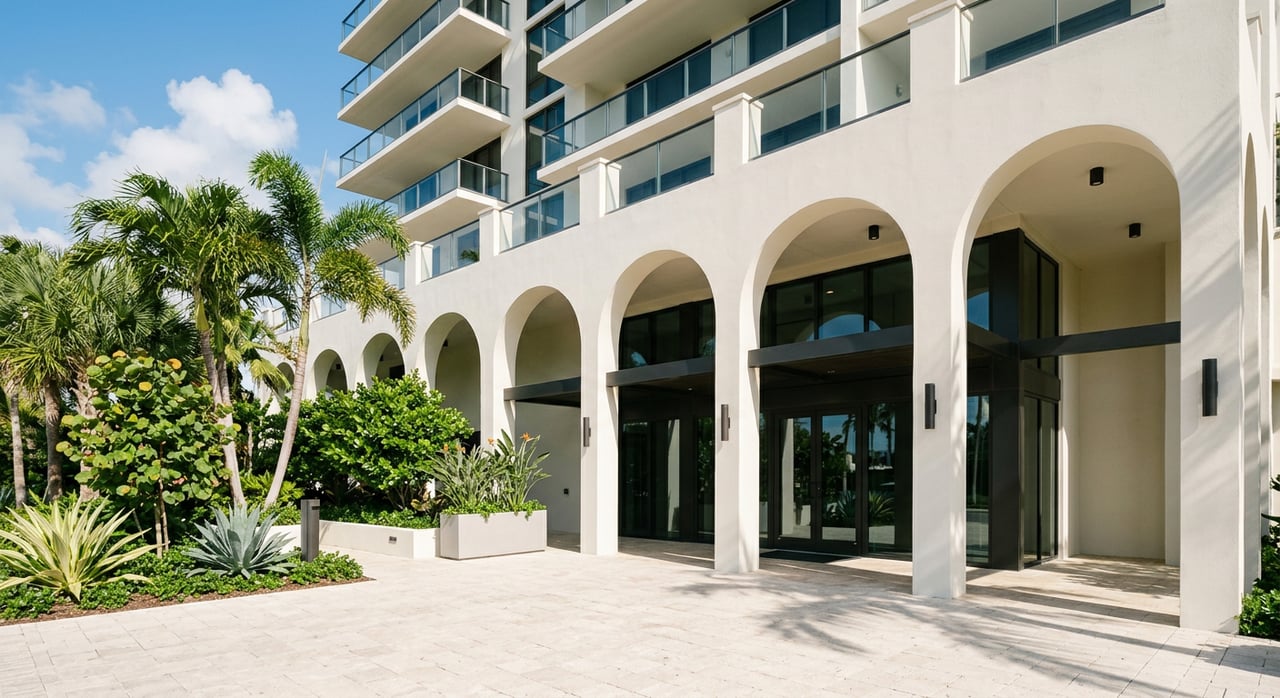
You’ll see mid- and high-rise condos with on-site parking and building services, plus a few converted lofts and walk-ups on adjacent streets. Many buildings cater to long-term residents and second-home owners, with HOA rules and monthly fees to factor into your budget.
Who it fits
Choose the bayfront if you want an urban, amenity-rich lifestyle with quick access to arts and waterfront leisure. It suits buyers comfortable with condominium living and those who prefer low-maintenance homes close to everything.
Tradeoffs to weigh
Expect premium pricing for water views, HOA fees, and more evening energy near restaurants and entertainment. Waterfront properties come with hurricane and storm considerations. Review flood risks and insurance early, especially for lower floors.
St. Armands Circle and Lido Key: boutique loop by the beach
Daily life at the Circle
St. Armands Circle creates a compact, walkable retail ring with boutiques, restaurants, and casual cafés. Lido Beach is a short stroll from many spots, so you can pair errands with sand time. The mood leans resortlike, with a steady hum of activity and seasonal peaks.
Homes and buildings
Lido Key blends single-family homes and condo options. Condos near the Circle are popular with second-home buyers who want easy access to dining and the beach. Buildings vary in age and amenities, so compare HOA rules and renovation histories.
Who it fits
Choose St. Armands and Lido if you want a beach-centric walking routine and expect some tourism in the mix. It’s great if you value the ability to go from a late lunch to the shoreline without starting the car.
Tradeoffs to weigh
Demand and pricing can be higher, and crowds swell in high season. Year-round, full-service grocery options are limited within the immediate Circle. You may walk or drive a short distance for larger supermarkets.
Siesta Key Village: casual, beach-first living
Daily life in the Village
Siesta Key Village is built around the beach. Expect pedestrian-friendly streets, outdoor dining, and easy routes to the public beach. Evening strolls are common, and the vibe stays laid back.
Homes and buildings
You’ll find beach condos, small hotels, and cottages, with single-family homes expanding inland. Rental rules vary, especially for short stays, so confirm building or neighborhood restrictions if you plan any rental income.
Who it fits
Pick Siesta Key Village if daily beach access is your top priority and you love casual dining and nightlife within walking distance. Second-home owners often appreciate the simple, coastal routine.
Tradeoffs to weigh
Tourism peaks in season, so streets and parking can feel busy. Check HOA and local rental rules carefully if you plan to rent your property part-time. Noise levels can rise around popular nightlife corners.
Burns Court and Towles Court: intimate arts enclaves
Daily life on creative blocks
These historic pockets offer small galleries, studios, and cafés on intimate, walkable blocks. The pace is slower and local, with occasional neighborhood events and open studio nights. You get a strong sense of place in just a few streets.
Homes and buildings
Housing skews toward small historic homes, bungalows, duplexes, and a few small apartment buildings. Some properties sit within historic districts, which add design guidelines for exterior changes.
Who it fits
Choose these enclaves if you enjoy creative energy, neighborhood-scale businesses, and older homes with character. They are appealing for singles, couples, and small households looking for a modest footprint.
Tradeoffs to weigh
Full-service grocery options are fewer within immediate walking distance. Some homes need renovation, and historic overlays can limit what you can alter on the exterior.
Rosemary District and nearby corridors: neighborhood scale, downtown access
Daily life near downtown
The Rosemary District blends independent restaurants, coffee spots, and small shops with a quieter residential feel than the bayfront core. You can walk to downtown cultural venues while enjoying a more relaxed neighborhood rhythm.
Homes and buildings
The area mixes mid-century homes, updated bungalows, and infill condos or townhouses. Newer buildings aim to balance location and value compared with waterfront towers.
Who it fits
Consider Rosemary if you want access to downtown amenities without living directly on the waterfront. It often appeals to buyers looking for a neighborhood feel and potentially more approachable price points than the bay.
Tradeoffs to weigh
Walkability varies block by block. Check sidewalk continuity, crossings, and the exact distance to your most frequent destinations.
Practical buyer checklist for walkable living
- Housing type and maintenance: Condos dominate in walkable cores and offer on-site amenities, lower maintenance, and convenience. Weigh HOA fees, building rules, and rental restrictions. Single-family homes in historic areas can be walkable but may require more upkeep.
- Cost patterns: Amenity-rich, walkable neighborhoods usually command higher prices per square foot than suburban areas. Confirm current market data with a local expert and review property appraiser records.
- Insurance, flood risk, elevation: Many bayfront and beachfront properties sit within FEMA flood zones or coastal high-risk areas. Flood and wind coverage, plus base flood elevation, can affect total cost of ownership. Review maps and speak with insurance providers early.
- Parking and guest access: Walkable districts reduce parking needs but can make guest parking tricky. Condos often include resident spaces, and street parking varies by block and season. If you host often, verify guest parking rules.
- Noise and seasonality: Beach villages and entertainment streets get busier during peak season. Downtown arts events increase evening activity. Visit at different times to evaluate your comfort level.
- Transit and alternatives: Sarasota’s bus network and seasonal area shuttles support car-light living in core neighborhoods. Bike and scooter options are growing in many Florida cities, but check local providers and safe routes.
- Zoning and short-term rentals: Rules for short-term rentals vary by building and neighborhood. Verify city or county regulations, licenses, taxes, and condo rules before you depend on rental income.
- Accessibility and aging in place: Assess sidewalk conditions, curb ramps, crossing times, shade, and proximity to medical services if long-term walkability is a priority.
How to test walkability on a visit
Pre-trip mapping
- Check Walk Score for specific addresses to compare walk, transit, and bike scores and see amenity maps.
- Use mapping and street-view tools to inspect sidewalks, crossings, and the distance to grocery, pharmacies, and dining.
- Review local GIS and FEMA flood maps to understand flood zones and property elevations.
On-the-ground checklist
- Walk the area at morning, midday, and evening, and on both a weekday and weekend, to feel the rhythm.
- Note sidewalk continuity and width, shade and trees, crossing safety and signal timing, bike lanes, curbside parking, and lighting.
- Confirm hours for grocery, pharmacy, and essential services. Locate nearby transit stops.
- Track noise and activity at peak dining times. Look for signs of seasonal crowding.
- Count daily-use stores versus destination retail, and observe public seating, parks, dog-friendly spaces, and cultural institutions.
Short routes to try
- Downtown bayfront loop: Walk the waterfront promenade through Bayfront Park, past performing arts buildings and restaurants, then cut into Main Street blocks.
- St. Armands and Lido: Circle the retail loop and continue toward Lido Beach to feel the shopping-to-beach connection.
- Siesta Key Village to beach: Walk from the Village streets to the public beach and note crosswalks and foot traffic.
- Burns and Towles Court: Stroll the historic blocks to sample galleries and cafés and gauge the neighborhood pace.
Questions for local experts
- Ask a local agent about HOA rules, rental restrictions, and common buyer concerns for specific condo buildings.
- Check with planning staff or improvement districts about upcoming sidewalk, bikeway, and public realm projects.
- Speak with business owners about seasonal peaks and the year-round customer base.
Seasonality and comfort tips
From late fall through spring, Sarasota sidewalks come alive. Outdoor dining and arts events are frequent, and humidity is lower. Summer brings heat, humidity, and afternoon storms, so plan earlier or later walks and favor shaded routes.
If you expect to be out year-round, look for streets with trees and building shade, protected crossings, and parks with seating and breezes. Indoor-outdoor options near home make it easier to enjoy walkable living in every season.
Ready to explore Sarasota on foot?
If you want a home that supports more walking and less driving, focus on the bayfront core, beach villages, and arts districts. Each offers a clear lifestyle tradeoff between convenience, price, and pace. The right fit comes down to daily routines, building rules, and comfort with seasonality.
When you are ready to tour buildings, compare HOA rules, or evaluate flood and insurance details, connect with a local guide who knows these blocks well. Reach out to Robert Krasow for a consultative, award-backed approach to finding your walkable Sarasota home.
FAQs
What counts as “walkable” in Sarasota?
- Walkable areas put daily needs and leisure within comfortable pedestrian reach, with sidewalks or low-speed streets that make short errands and evenings out easy.
Which Sarasota neighborhoods are most walkable?
- The strongest pockets cluster downtown along the bayfront, around St. Armands Circle and Lido Key, in Siesta Key Village, and within historic arts enclaves like Burns Court and Towles Court.
How do condo fees affect the cost of walkable living?
- Condos offer convenience and amenities but add HOA fees and rules, which you should factor into your total monthly budget and lifestyle priorities.
Are bayfront and beach homes in flood zones?
- Many waterfront properties fall in FEMA flood zones or coastal high-risk areas, so confirm elevation, required insurance, and costs early in your search.
How busy do St. Armands and Siesta Key get in season?
- These beach districts see higher crowds and parking pressure during peak season, which can add energy but also more noise and wait times.
Can I rely on transit instead of a car?
- The local bus network and seasonal shuttles can reduce car trips in core neighborhoods, though service is strongest near downtown and beach areas.
What should I know about short-term rentals?
- Rules vary by building and neighborhood, so verify local regulations, licensing, taxes, and HOA or condo restrictions before planning rental income.