Are you looking at two similar condos downtown, but one has a fee that is hundreds higher each month? You are not alone. In Sarasota, condo fees can vary for reasons that are not obvious at first glance. This guide shows you how to compare fees fairly, what to look for in the documents, and how Sarasota-specific factors like hurricanes and flood zones affect your bottom line. Let’s dive in.
What condo fees usually cover
Condo fees pay for the shared parts of the property and the systems that keep the building running. You are typically contributing to cleaning, landscaping, elevator service, lighting, and general maintenance in common areas. Many associations include some utilities, such as water, sewer, trash, and sometimes cable or internet.
Staffing and amenities are major drivers. On-site management, concierge, valet, and security all add cost. Amenities like a pool, gym, spa, clubhouse, business center, and rooftop decks also factor in. Your fee also includes the building’s master insurance policy for the structure and common areas, plus contributions to the reserve fund for long-term repairs like roofs, elevators, and exterior painting.
Keep in mind you still carry your own HO-6 policy to insure your unit’s interior and personal contents. Property taxes are typically separate from condo fees and paid by you directly.
Sarasota factors that shape fees
Downtown Sarasota sits on the Gulf Coast, so weather and insurance risk influence expenses. Hurricane and wind exposure drives master policy premiums and can lead to higher windstorm deductibles. Associations may need stronger reserves to handle storm-related repairs.
Flood risk also matters. Some downtown buildings are in FEMA-designated flood zones where flood insurance is strongly recommended or required by lenders. That can raise carrying costs for the association and for owners.
Building age and construction type play a role. Older mid-rises may need larger reserve contributions to address deferred maintenance. Newer luxury towers often have higher fees because of extensive amenities and staffing. In walkable downtown, buyers often accept higher fees for convenience, services, and views, which can shape what associations include.
How to compare fees: a simple framework
When you compare fees, do more than line up monthly numbers. Normalize and put them in context.
Normalize costs apples to apples
- Fee per square foot: Divide the monthly fee by the unit’s interior square footage. This helps you compare across buildings and unit sizes.
- Fee as a percent of monthly housing cost: Divide the fee by your principal and interest payment to see its relative weight.
- Total Monthly Housing Cost: Add mortgage payment, condo fee, an estimate for your HO-6 policy, any utilities not covered, parking or storage fees, and property taxes divided by 12. This gives you a true picture of monthly carrying cost.
- Amenities-adjusted comparison: Identify which services are driving differences. A valet, 24-hour concierge, or full fitness center has a real cost. If you value them, the higher fee may still be a better fit.
A quick example
Imagine two 1,200-square-foot downtown units.
- Building A: Fee is 1,080 per month. Fee per square foot is 0.90. It includes water, trash, cable, a staffed front desk, and a full gym.
- Building B: Fee is 840 per month. Fee per square foot is 0.70. It includes water and trash but no staff or gym.
On raw fee alone, B looks cheaper. But if you would pay 80 per month for a gym membership and you value a staffed lobby, the gap narrows. Now add insurance exposure and reserves. If A has healthy reserves and lower windstorm deductibles, the long-term risk of special assessments could be lower, which protects you over time.
Due diligence: what to request
Ask for the same document set from each building you are comparing. This keeps your review consistent.
- Current year operating budget and prior year actuals
- Balance sheet and reserve fund balance
- Most recent reserve study and capital improvement plan
- Minutes of board meetings for the last 12 to 24 months
- Association bylaws, declaration, and house rules
- Certificate of insurance detailing coverages and deductibles
- Statement on litigation or a list of pending cases
- List of monthly dues and any recurring add-on fees, such as parking or storage
- Estoppel certificate during the sale process to confirm amounts due
- Management contract and manager identity
- Owner delinquency report, if available
- Any recent engineering or building inspection reports, especially for older buildings
These items show the true cost of ownership, the association’s financial health, and any risks on the horizon.
Key questions to ask the manager or board
- What percent of budgeted reserves is currently funded?
- Are there any planned special assessments or recent ones? Why and when?
- Is there any ongoing or threatened litigation?
- What are the wind and hurricane deductibles under the master policy? Any other coverage gaps?
- Are rentals or short-term rentals permitted, and under what restrictions?
- When was the last reserve study conducted? Is there a replacement schedule?
- What is the association’s delinquency rate in dollars and percent of units?
Clear, consistent answers help you compare risk across buildings.
Financial health signals to compare
Focus on a few core indicators that predict stability.
- Reserve funding level: Look at the balance and the percent-funded measure from the reserve study. A higher percent-funded level generally reduces the risk of surprise assessments.
- Special assessments: Review the last five to ten years for frequency and size. Repeated or large assessments can signal structural underfunding or unresolved issues.
- Operating budget balance: Check whether normal expenses match income and whether reserve contributions are appropriate for the building’s age and systems.
- Delinquency rate: A high rate can strain the budget and lead to deferred maintenance or assessments.
- Association debt: Loans can bridge large projects but also add risk and interest costs.
- Insurance deductibles and gaps: Very high wind or hurricane deductibles shift repair costs to owners or reserves.
- Governance stability: Frequent turnover of board or management can point to deeper issues.
Insurance, storms, and flood: what to know
In Sarasota, insurance is a major driver of fees. The association’s master policy covers the building and common elements, but not your interior finishes or personal property. Large windstorm deductibles are common in coastal markets. Ask for the deductible amounts and how the association plans to fund them if a storm hits.
Check flood zone status and whether the association carries flood insurance. Even if your lender does not require it, flood risk may still be material in parts of downtown near the bayfront. Plan for your own HO-6 premium and confirm whether any utilities like water or cable are included in the monthly fee.
Red flags to watch for
- Low or near-zero reserves combined with big projects due soon in the reserve study
- Frequent or large special assessments in recent years
- Delinquency rates above common thresholds
- Pending litigation tied to structural issues, warranties, or insurance claims
- Very high windstorm deductibles with no plan to cover them
- Opaque records or reluctance to provide standard documents
- Management turnover or a reputation for poor communication
Any one of these does not end a deal by itself, but they do warrant deeper review and may affect price or terms.
Smart negotiation levers
- Verify capital projects in the minutes and reserve study updates to confirm timing and funding.
- If a special assessment is known and scheduled, ask the seller to pay it at closing, subject to negotiation.
- Use the estoppel certificate to confirm the seller’s balance and association representations.
- Consider conditioning your offer on satisfactory review of association financials or on a building engineering report if condition is a concern.
- In luxury buildings with high amenity costs, negotiate price or request an escrow to offset near-term assessment risk if warranted by documents.
Quick comparison checklist
- Gather the same documents for each building on your list.
- Calculate fee per square foot and your Total Monthly Housing Cost.
- Review reserve funding, planned projects, and special assessment history.
- Compare insurance deductibles, coverages, and flood exposure.
- Check delinquency rate, any association debt, and governance stability.
- Adjust your comparison for amenities and included utilities.
- If concerns arise, consult appropriate specialists, such as a condominium attorney, reserve analyst, insurance agent, or inspector.
Downtown context: setting expectations
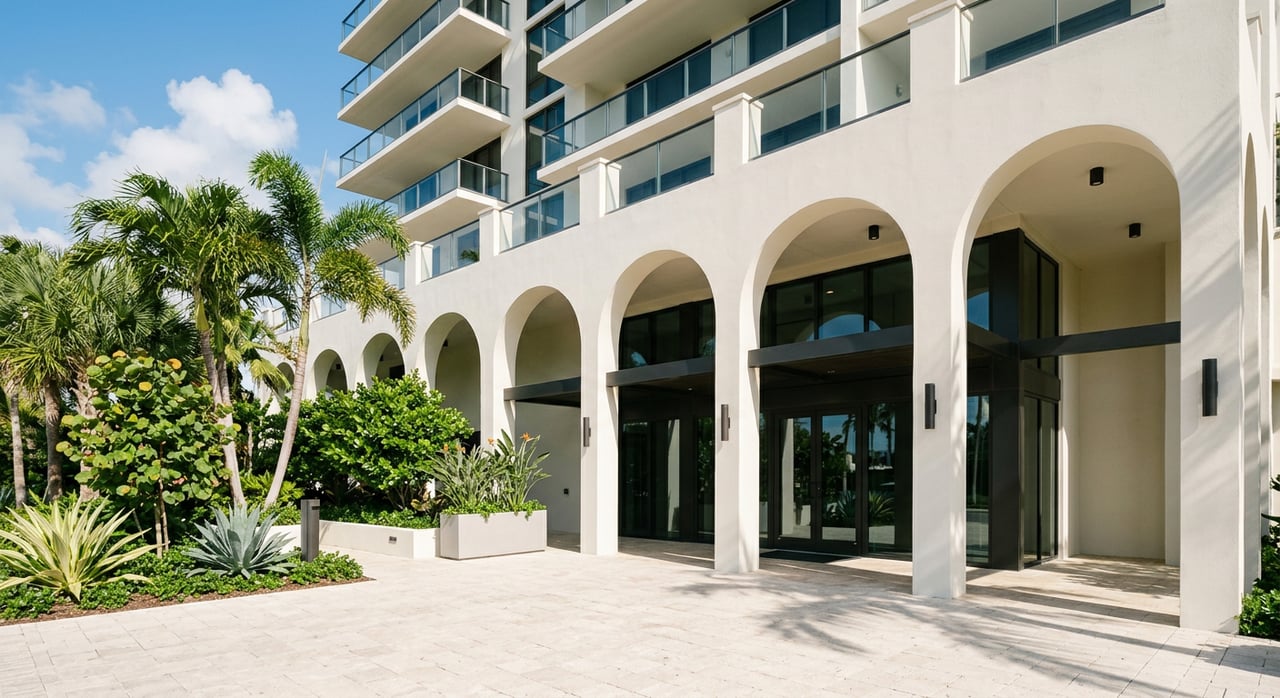
In walkable downtown Sarasota, many buildings offer concierge-level services, structured parking, and resort-style amenities. Fees for these properties can be higher, but they often reflect the true cost of staffing and maintaining those features. Older buildings without extensive amenities may have lower fees, yet they might need stronger reserves as major systems age.
Your goal is not to find the lowest fee at any cost. It is to find the best value for how you plan to live, with eyes open to long-term costs and risk.
Work with a local guide you can trust
Comparing condo fees is part math, part local insight. A Sarasota-based agent who knows downtown buildings, board cultures, and recent assessment history can save you time and help you avoid costly surprises. If you prefer to communicate in Spanish, bilingual guidance is available to make the process clear and comfortable.
If you want a second set of eyes on fees, reserves, or insurance questions, reach out to Robert Krasow for a thoughtful, no-pressure conversation about your options.
FAQs
What do Sarasota condo fees typically include?
- Fees usually cover common-area maintenance, some building utilities, staffing and amenities, master insurance for the structure, reserve contributions, and administrative costs, while you handle your unit’s HO-6, property taxes, and any utilities not included.
How do I compare fees between two downtown buildings?
- Normalize by fee per square foot and by Total Monthly Housing Cost, review reserves and assessment history, check insurance deductibles, and adjust for amenities and included utilities.
Are high condo fees always a bad sign in Sarasota?
- Not necessarily; higher fees can reflect valuable services like concierge, valet, and robust reserves that reduce special assessment risk, so focus on value and long-term stability rather than the fee alone.
What documents should I review before making an offer on a Sarasota condo?
- Ask for the current budget, prior actuals, balance sheet, reserve study, meeting minutes, insurance certificate, bylaws, litigation status, fee list, estoppel, management contract, delinquency data, and any recent engineering reports.
How do hurricanes affect condo fees and insurance in Sarasota?
- Storm exposure increases master policy costs and can lead to higher windstorm deductibles, so confirm deductibles, reserve strength, and any plan to fund repairs after severe weather.
What are warning signs of future special assessments?
- Low reserves with big projects due, repeated assessments in recent years, high delinquencies, pending litigation, very high deductibles without funding plans, and poor transparency from management or the board.