Thinking about a condo on Florida’s Gulf Coast and torn between Sarasota and St. Petersburg? You’re not alone. Both offer sunshine, beaches, and an easy condo lifestyle, but the day-to-day feel and ownership details can be very different. In this guide, you’ll see how each market stacks up on lifestyle, neighborhoods, value, HOA and insurance factors, rental rules, and building health so you can move forward with clarity. Let’s dive in.
Sarasota vs. St. Pete at a glance
Lifestyle and location fit
Sarasota centers on arts, culture, and barrier-island beaches like Siesta Key, with a strong mix of primary and second-home buyers. You’ll find a refined coastal vibe and premium waterfront options, especially on Lido Key and Longboat Key. St. Petersburg leans more urban, with a lively downtown, walkability, and quick access to the broader Tampa metro for work and entertainment.
Both cities attract seasonal residents and investors, but the balance differs by neighborhood. Sarasota’s barrier islands often command higher prices per square foot, while St. Pete offers a wider range of urban and mid-market condos, including many mid-rise conversions.
Typical condo types
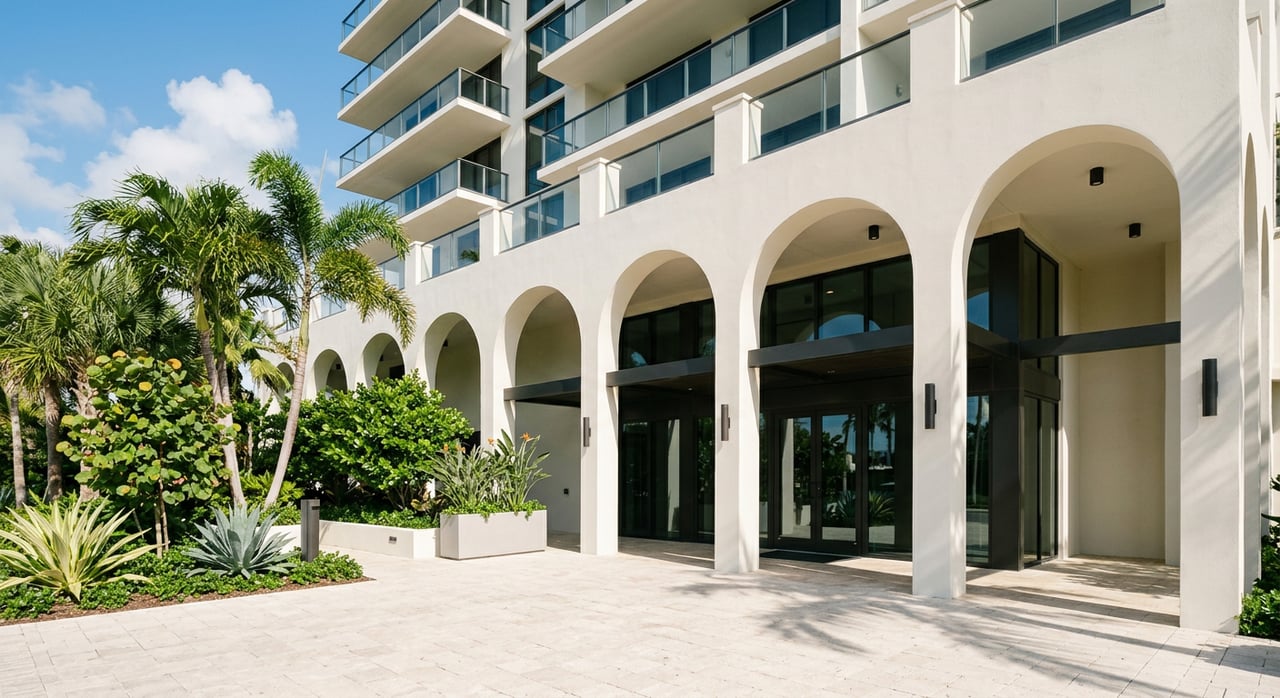
- Waterfront luxury towers and newer high-rises near the coast
- Mid-rise and garden-style condos in inland or suburban pockets
- Historic conversions and walkable urban buildings, especially downtown
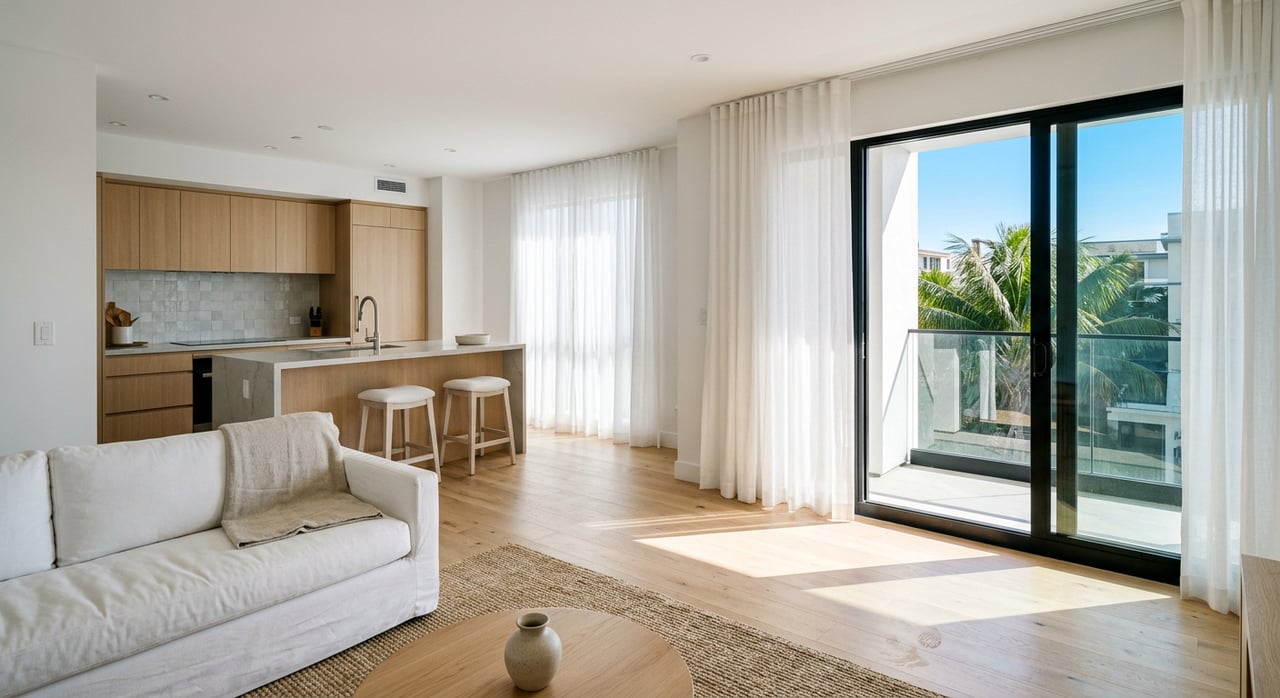
- Boutique new construction with modern finishes and on-site amenities
Neighborhood snapshots
Sarasota submarkets to know
- Downtown Sarasota and Bayfront: Walkable access to dining, arts, and the bay. A mix of older and newer buildings appeals to year-round and seasonal owners.
- Siesta Key: Famous beaches and a strong vacation appeal. Many condos serve second-home buyers, with varied rental policies by building.
- Lido Key and Longboat Key: Luxury waterfront living with upscale amenities. Expect higher prices per square foot and a focus on lifestyle features.
- Palmer Ranch and Lakewood Ranch (Sarasota County areas): Newer master-planned communities with condo and townhome options in a more suburban setting.
St. Petersburg submarkets to know
- Downtown and Warehouse Arts District: Urban living with restaurants, nightlife, and cultural venues. Expect a mix of modern builds and conversions.
- Old Northeast and Snell Isle: Historic charm and tree-lined streets with a blend of housing types, including condos.
- Gulfport and Shore Acres: Diverse price points and styles with local character.
- Pinellas barrier islands (Treasure Island, Madeira Beach): Beachfront condos with extensive seasonal rental markets and strong vacation appeal.
Price and value reality
Affordability depends on submarket and building, not just the city name. Sarasota’s barrier-island and luxury waterfront addresses often carry premium pricing. St. Petersburg tends to include more entry-level and mid-market urban options within its downtown and adjacent neighborhoods. For a fair comparison, line up true peers: similar age, amenity level, and location type (for example, Siesta Key vs. Treasure Island, or downtown Sarasota vs. downtown St. Pete). Your best insight will come from recent local MLS comparables within the same building or immediate area.
Insurance, HOA, and financing essentials
HOA health and reserves
Review the HOA’s budget, reserve study, recent meeting minutes, and any known or pending special assessments. Older buildings with limited reserves are more likely to levy assessments for projects like elevators, roofs, or seawalls. Florida’s Condominium Act requires disclosures and sets governance rules, so make sure you receive and read the association documents before you commit.
Flood and property insurance
Coastal condos typically rely on a master building policy, while you carry a personal HO-6 policy for interior finishes, contents, and loss assessment. If the building or unit sits in a mapped high-risk flood zone, lenders will require flood insurance. You can check your flood zone at the FEMA Flood Map Service Center and review options through the National Flood Insurance Program. Florida’s private insurance market can be complex, and availability varies by building and elevation; Citizens Property Insurance serves as an insurer of last resort. For market conditions and carrier updates, review the Florida Office of Insurance Regulation. Keep in mind the NFIP waiting period is typically 30 days, so get quotes early in your search.
Financing and project eligibility
Some buildings do not meet conventional or government-backed loan guidelines due to reserves, insurance, or owner-occupancy ratios. Ask your lender to verify project eligibility early. You can reference Fannie Mae’s condo project requirements and FHA/VA pathways. If you plan to use FHA or VA, confirm the project’s status with your lender and review HUD’s condo approval information before you write an offer.
Short-term rentals and local rules
Short-term rental limits vary by city and by building. Some associations prohibit weekly or monthly rentals; others require minimum stays or licensing. Always double-check both the municipal rules and the condo’s governing documents. Start with the City of St. Petersburg’s official site and the City of Sarasota for current ordinances, then confirm the HOA’s rental section and any amendments.
Building health and long-term costs
For waterfront towers and older mid-rises, structural upkeep matters. Seawalls, roofing, exterior envelope repairs, and elevator modernization are common capital projects that can affect fees and value. Reserve funding and the timing of planned work often drive assessment risk. Buildings with well-documented maintenance and adequate reserves typically hold value better over time.
Which market fits you?
You may prefer Sarasota if you want
- Premium waterfront or barrier-island living and are comfortable paying a higher price per square foot for that lifestyle.
- Easy access to beaches, marinas, and cultural amenities in a more resort-like setting.
- A second home or primary residence where lifestyle and finishes rank high on your list.
You may prefer St. Petersburg if you want
- A walkable urban core, more varied price points, and proximity to the larger Tampa metro.
- A mix of entry-level and mid-market urban options, plus investment opportunities with longer-term or seasonal rental potential where permitted.
- Year-round city energy with arts, dining, and entertainment within blocks of your condo.
Quick buyer checklist
- Association documents: declaration and bylaws, budget, reserve study, recent meeting minutes, insurance certificates, and rules for pets and rentals.
- Financial health: reserve balance, planned capital projects, special assessments in the pipeline, and any active litigation.
- Building basics: age, recent repairs, elevator status, seawall condition for waterfront, roof and exterior maintenance.
- Ownership mix: owner-occupancy vs. investor ratio, parking and storage allocations, and any waitlists.
- Financing: confirm project eligibility with your lender, and verify FHA/VA status if relevant.
- Insurance: obtain preliminary HO-6 and flood quotes, and confirm the master policy coverage.
- Flood zone: confirm at the FEMA Flood Map Service Center.
Quick seller checklist
- Documents: have association disclosures ready, including budget, reserves, recent minutes, and insurance certificates.
- Estoppel: confirm the estoppel letter process and timeline with your association.
- Marketing points: highlight deeded parking or boat slips, storage, recent building improvements, strong reserves, and clear rental or pet policies.
- Pricing: compare recent sales within your building or similar nearby projects with matching floor plans and amenity levels.
- Transparency: disclose known assessments or capital projects to build buyer trust and reduce surprises during escrow.
Next steps
Choosing between Sarasota and St. Petersburg should start with your lifestyle and end with clear, building-level due diligence. If you want a premium barrier-island experience and arts-forward amenities, Sarasota may fit best. If you favor walkable city energy and broader price variety, St. Pete could be the move. Either way, pairing your search with strong HOA, insurance, and financing checks will protect your budget and peace of mind.
Ready to narrow your options with neighborhood-level guidance and current MLS data? Connect with Robert Krasow for a tailored plan, bilingual service if you prefer Spanish, and award-backed representation that keeps your goals front and center.
FAQs
Which city is more affordable for condos?
- Affordability depends on neighborhood and building. Sarasota’s barrier islands often price higher per square foot, while St. Petersburg usually offers more entry-level and mid-market urban options. Compare true peers with recent local MLS comps.
Can I do short-term rentals in Sarasota or St. Petersburg?
- It depends on both city rules and the condo association. Check municipal ordinances on the City of St. Petersburg site and City of Sarasota, then confirm the HOA’s rental policy and minimum stays.
Do I need flood insurance for a Gulf Coast condo?
- If your building or unit sits in a high-risk flood zone, lenders will require it. Many owners choose coverage even outside mapped zones. Verify your zone through the FEMA Flood Map Service Center and review options with the National Flood Insurance Program.
How do HOA reserves and assessments affect value?
- Healthy reserves and a clear maintenance plan support stable values. Limited reserves in older buildings can trigger special assessments for projects like roofs, elevators, or seawalls, which affect ownership costs and buyer appeal.
Can I use FHA or VA financing for these condos?
- Possibly. Some buildings meet FHA/VA requirements, others do not. Confirm early with your lender and review HUD’s condo approval information and relevant project guidelines like Fannie Mae’s requirements.
Where can I check property tax details by county?
- For Sarasota properties, visit the Sarasota County Property Appraiser. For St. Petersburg and other Pinellas properties, see the Pinellas County Property Appraiser. These offices publish parcel data and tax details for planning purposes.