Thinking about selling your Sarasota home or condo furnished? You are not alone. With so many seasonal buyers, second homes, and vacation rentals in the mix, turnkey listings can be a smart play here. In this guide, you will learn when selling furnished makes sense, how to price everything correctly, and how to avoid appraisal or loan hiccups so your sale stays on track. Let’s dive in.
When selling furnished works in Sarasota
Sarasota attracts retirees, snowbirds, second‑home buyers, and investors. These groups often want move‑in ready or rent‑ready properties. If that is your likely buyer, a furnished listing can shorten time to market and make your home stand out.
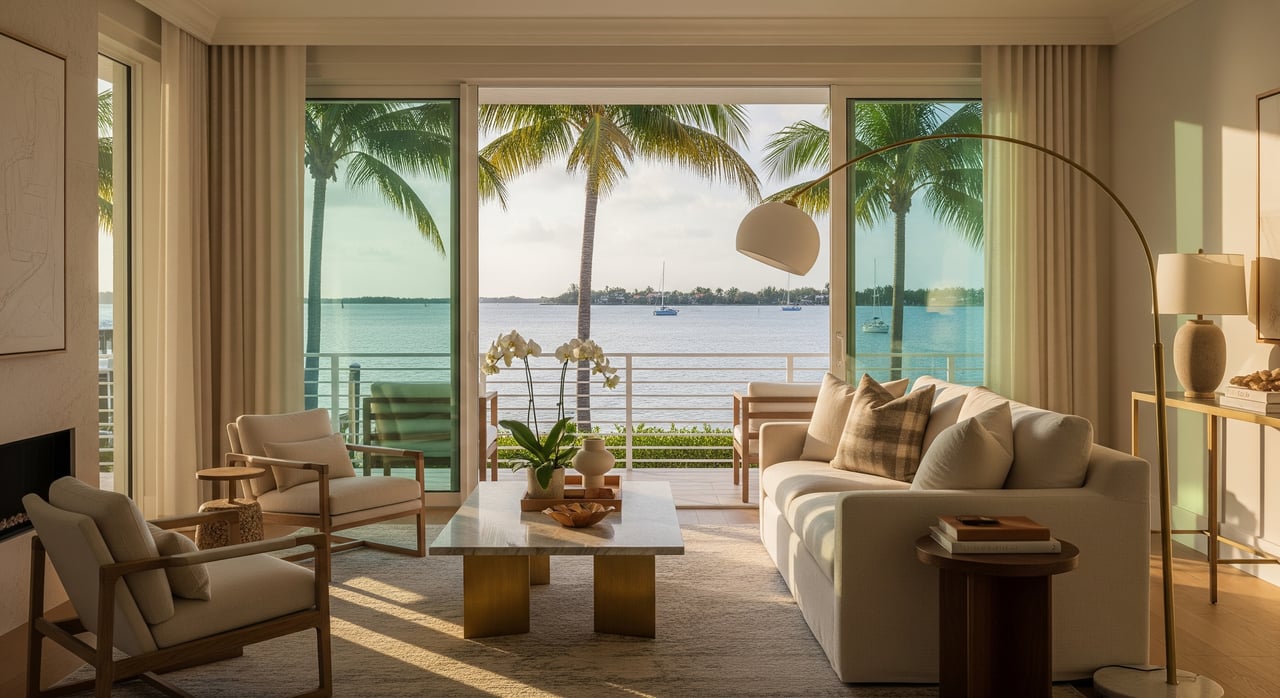
Condos and smaller units near the coast or downtown often perform well when sold furnished. Buyers expect turnkey convenience in these locations, especially for seasonal use. Luxury second homes and properties already operating as short‑term rentals can also benefit from a furnished sale.
Primary single‑family homes in suburban neighborhoods are less often sold furnished. Local owner‑occupants typically want to bring their own furniture. In those cases, neutral staging or an unfurnished sale may be the better strategy.
Pros and cons at a glance
Pros
- Turnkey appeal for seasonal buyers and investors seeking immediate occupancy or rental income.
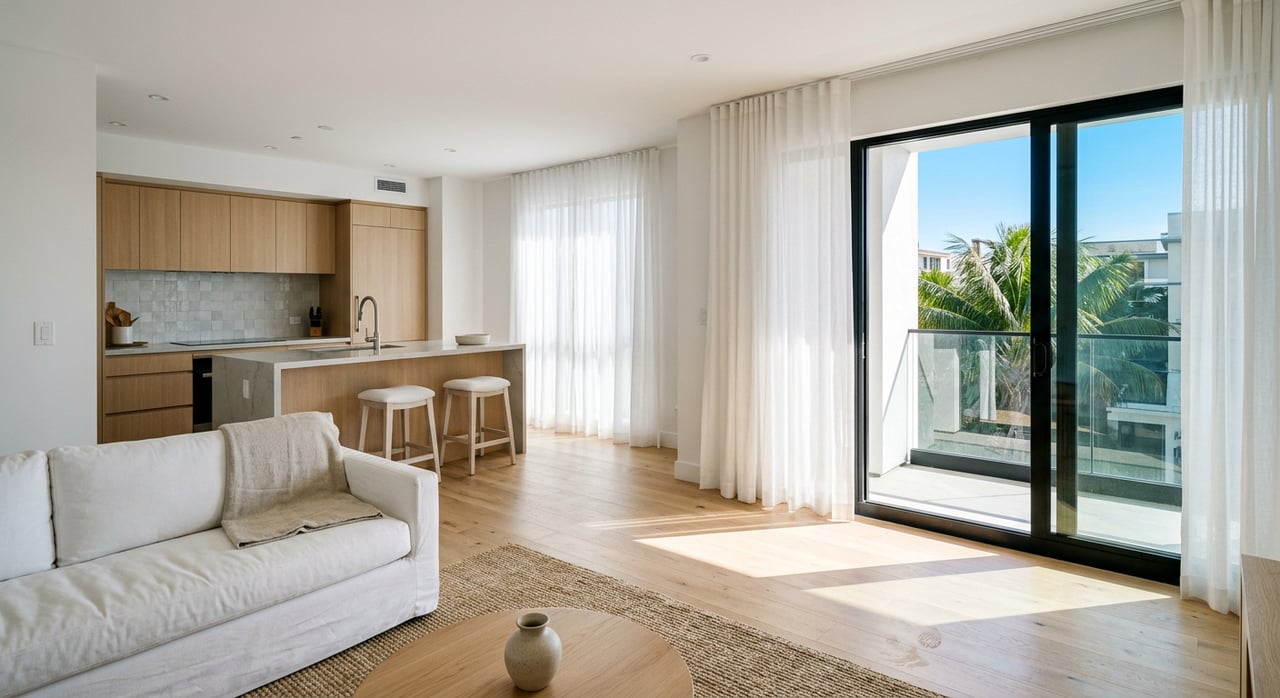
- Easier staging that photographs well, especially in smaller condos where layout and scale matter.
- Clear value for investors when paired with documented rental history, occupancy, and income.
- Less effort for you if you prefer to sell as is with contents.
Cons
- Smaller buyer pool if many local owner‑occupants are shopping in your area.
- Appraisal and financing can get complicated because furniture is personal property, not real property.
- Buyers may discount the value of used furnishings during negotiations.
- HOA or municipal rules on short‑term rentals can limit use and affect value.
Legal and financing basics you should know
Fixtures vs. personal property
Confirm what is a fixture versus personal property. Built‑ins, affixed light fixtures, and certain window treatments typically stay unless excluded in the contract. Furniture and decor are personal property.
Florida standard contracts let you list personal property that will convey. If you plan to sell furnished, include an itemized inventory and photos. Be specific about inclusions and exclusions so there are no surprises later.
Appraisals and loans
Appraisers usually value the real estate and permanent fixtures only. Personal property is typically excluded from the appraised value used by a buyer’s lender. If part of your price reflects furniture, the loan‑to‑value calculation can be affected and may require a separate allocation.
If you are marketing an investment with income, provide rental income statements, booking calendars, and occupancy history. Some buyers may use commercial or portfolio loans that consider different approaches, but most residential loans rely on comparable sales of the real property.
Financing impacts
Conventional, FHA, and VA loans typically finance real property, not furniture. A large furniture package can complicate underwriting. If you expect buyers to use traditional loans, keep the real property price clear and allocate furniture value separately.
Buyers using business or portfolio loans may have more flexibility. If you consider seller financing, spell out how fixtures and personal property are treated and priced.
HOA and short‑term rental rules
Condo and HOA rules often limit rentals or set minimum lease terms. The City of Sarasota and Sarasota County can have separate requirements for short‑term rentals. If you market your property as a rent‑ready furnished home, buyers will expect current documentation on what is allowed. Have association rules and any required permits ready to share.
Taxes and documentation
The sale of furniture is usually treated separately from the real estate. Keep records of your inventory and the value you assign to items, and speak with a tax professional about reporting. Clear allocation now helps you avoid confusion at tax time.
Pricing and negotiation strategies
Set the right price framework
Price the property based on comparable sales of the real estate. Then decide how to present the furniture. Two common approaches work well:
- Property‑only price plus an optional furniture package price.
- A combined price with a clear written allocation between real property and personal property.
This clarity reduces appraisal friction and helps buyers’ lenders process the file smoothly.
Prove furniture value
Support the furniture package with simple documentation. Include recent receipts for higher‑end items, photos, age and condition notes, and an inventory spreadsheet. For very high‑value packages in luxury homes, consider a professional personal property appraisal.
Use smart negotiation levers
Offer buyers options. You can propose a turnkey add‑on price, provide a credit if they prefer removal, or agree to remove specific pieces before closing. If the home is an income property, present up‑to‑date rental data and operating expenses so the investment case is clear.
Pre‑listing checklist for Sarasota sellers
- Inventory everything that will convey and photograph each item.
- Assign a fair value to furniture and decide if it is included or priced separately.
- Gather HOA or condo documents regarding rental restrictions and policies.
- Collect rental history, booking calendars, and P&L statements if applicable.
- Clean, repair, and declutter so spaces show well in photos and tours.
- Consult your listing agent, a real estate attorney for contract language, and a tax advisor about allocation and reporting.
Marketing your furnished listing
Photos and tours that sell
Use high‑quality photos that show layout, flow, and scale. If you are including furniture, feature cohesive rooms and a few close‑ups of higher‑value items. Keep styling neutral so a wide range of buyers can see themselves in the home.
Target the right buyers
Emphasize turnkey convenience for snowbirds, second‑home buyers, and investors who want fast occupancy or rental potential. For owner‑occupants, highlight flexibility. Let them know furniture can stay, be partially removed, or be excluded.
Income property marketing
If your property operates as a short‑term rental, present its performance clearly. Share documented revenue, occupancy, cleaning and management agreements, and any required registrations or permits. Avoid making promises about future income beyond the history you can show.
Timing and seasonality in Sarasota
Buyer demand for turnkey offerings often increases during winter snowbird season. If your ideal buyer is seasonal, timing the listing to peak months can help. In off‑season, furnished listings can still perform, but your pricing and marketing should reflect a smaller in‑market audience.
When not to sell furnished
- Your likely buyer is a local owner‑occupant who will bring their own furniture.
- Furnishings are dated, mismatched, or heavily personalized.
- The furniture package is high in value and likely to complicate financing without a clear allocation.
- HOA or municipal rules limit the use that supports a furnished sale, such as short‑term rentals.
How to decide your best path
Identify your most likely buyer. Is it a snowbird, investor, second‑home owner, or a local family? Your staging and offer structure should match that profile.
Confirm rules and feasibility. Review HOA and local rental rules. If you plan to market income potential, make sure your documentation is current.
Choose a pricing strategy. Price the real estate based on comps, then present a clear furniture allocation. Keep your options open for buyer preferences.
Prepare the paperwork. Finalize a detailed inventory list with values, decide what stays, and set expectations in the contract. This keeps appraisal and underwriting smooth.
Selling furnished in Sarasota can be a strong move for condos, rent‑ready homes, and luxury second residences. With a clear plan, proper documentation, and targeted marketing, you can capture the convenience premium while avoiding financing setbacks.
Ready to talk strategy for your home or condo? Connect with award‑winning local guidance and a tailored plan that fits your goals. Reach out to Robert Krasow to discuss your options or Get Your Free Home Valuation.
FAQs
Will selling furnished increase my Sarasota home’s sale price?
- It can boost perceived value for seasonal buyers and investors, but appraised value usually excludes furniture, so price real property first and allocate furnishings separately.
Can a buyer’s mortgage include the furniture in Sarasota?
- Conventional, FHA, and VA loans typically finance real property only, so furniture is not included and should be priced and documented separately.
How do HOA or city rules affect a furnished vacation rental sale?
- Rental restrictions or minimum lease terms can limit use and value, so provide current HOA rules and any required permits to buyers early in the process.
How do I avoid appraisal delays when selling furnished?
- Share a detailed inventory with allocated values, receipts for high‑value pieces, and property‑only comparable sales so the lender focuses on the real estate.
What is the best way to price a turnkey furniture package?
- Use a property‑only list price plus a separate furniture package amount, or a combined price with a clear allocation that aligns with lender requirements.
When is selling unfurnished better in Sarasota?
- When your likely buyer is a local owner‑occupant or your furnishings are dated or highly personal, an unfurnished or neutrally staged listing usually performs better.